
Can Acupuncture Help with Sports Injuries and Overuse Pain?
Sports and recreational injuries have increased steadily as more people return to regular physical activity, training programs, and competitive or recreational sports. According to national injury surveillance data, millions of individuals are treated each year for sports- and exercise-related injuries, with activities such as exercise, cycling, and basketball among the most frequently associated with emergency department visits.
Alongside acute injuries, overuse pain has become increasingly common. Repetitive motion, insufficient recovery time, and cumulative physical stress can lead to persistent discomfort that interferes with performance and daily activity. As a result, many active adults are exploring integrative options such as acupuncture for sports injuries to support recovery and pain management.
At clinics like acupuncture minnetonka, sports-related concerns are approached through individualized assessment, focusing on how injury, workload, and recovery demands interact over time.
The Rise of Sports Injuries and Overuse Pain
Recent data from the National Safety Council show a continued rise in sports and recreational injuries in the United States. Importantly, these figures reflect only injuries treated in emergency departments and do not account for cases managed through physical therapy, primary care, or self-treatment.
Overuse conditions often develop gradually rather than as the result of a single incident. Tendon irritation, muscle fatigue, and joint stress may build over weeks or months, particularly when recovery periods are limited. This pattern has contributed to growing interest in sports injury acupuncture as part of a broader, non-pharmacological approach to musculoskeletal care.
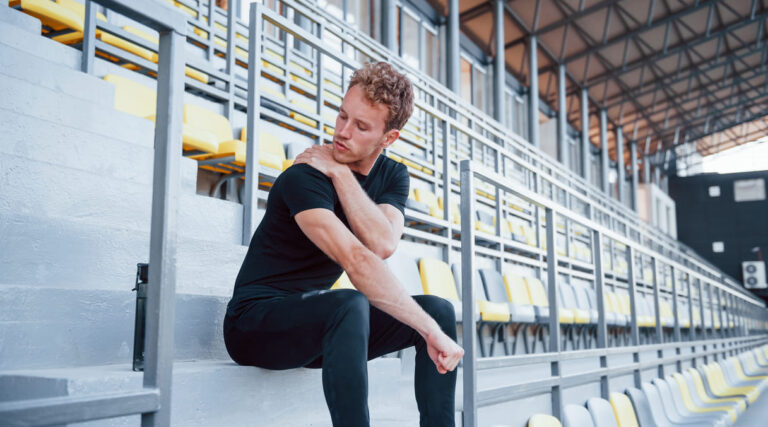
Common Sports Injuries and Overuse Conditions
The following are examples of injuries and pain patterns commonly reported among recreational and athletic populations. These descriptions are for educational purposes and are not diagnostic.
Muscle Strains
Muscle strains can occur due to sudden force, excessive loading, or repetitive use. Symptoms may include localized pain, stiffness, weakness, and reduced range of motion. Many individuals explore acupuncture for muscle strain as a supportive therapy aimed at easing tension and supporting the recovery process.
Sprains
Sprains involve injury or stress to ligaments, frequently affecting the ankles, knees, and wrists. Interest in acupuncture therapy for sprains has increased among active individuals seeking complementary care during rehabilitation and return-to-activity phases.
Tendonitis and Overuse Injuries
Overuse injuries such as tendonitis often arise from repetitive motion and insufficient recovery. Conditions affecting the elbow, knee, shoulder, or ankle are common, and acupuncture for ankle tendonitis is often discussed in integrative care settings focused on circulation, tissue stress, and mobility support.
Shoulder and Rotator Cuff Injuries
Shoulder injuries are prevalent in sports involving overhead movement, throwing, or weight-bearing. These conditions may involve muscle imbalance, restricted movement, and discomfort that develops over time rather than from a single traumatic event.
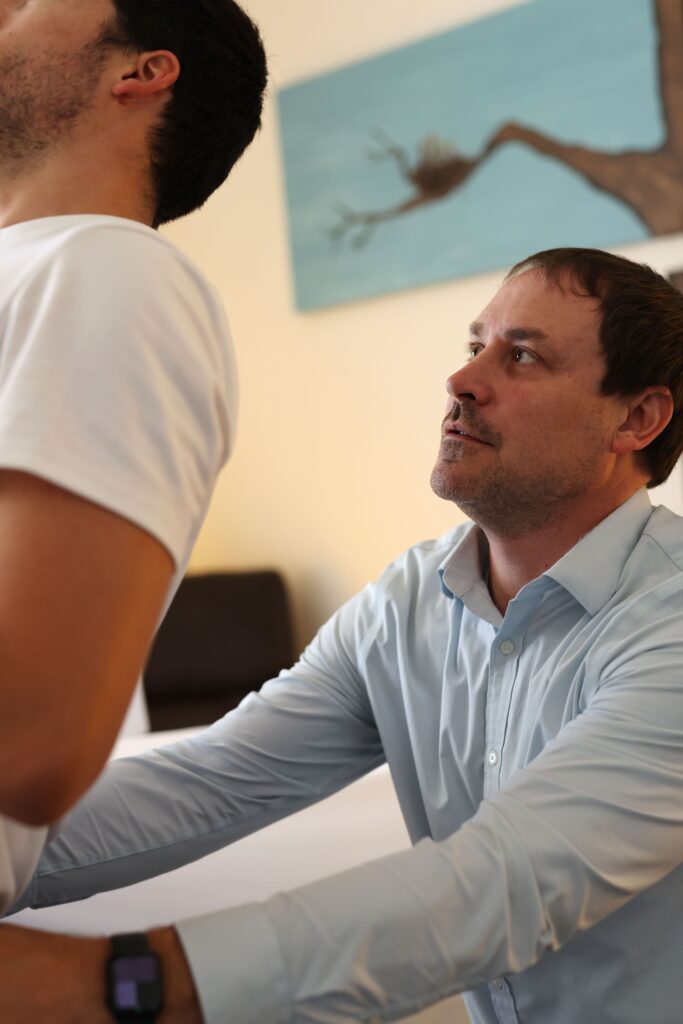

How Acupuncture Is Commonly Used in Sports Injury Care
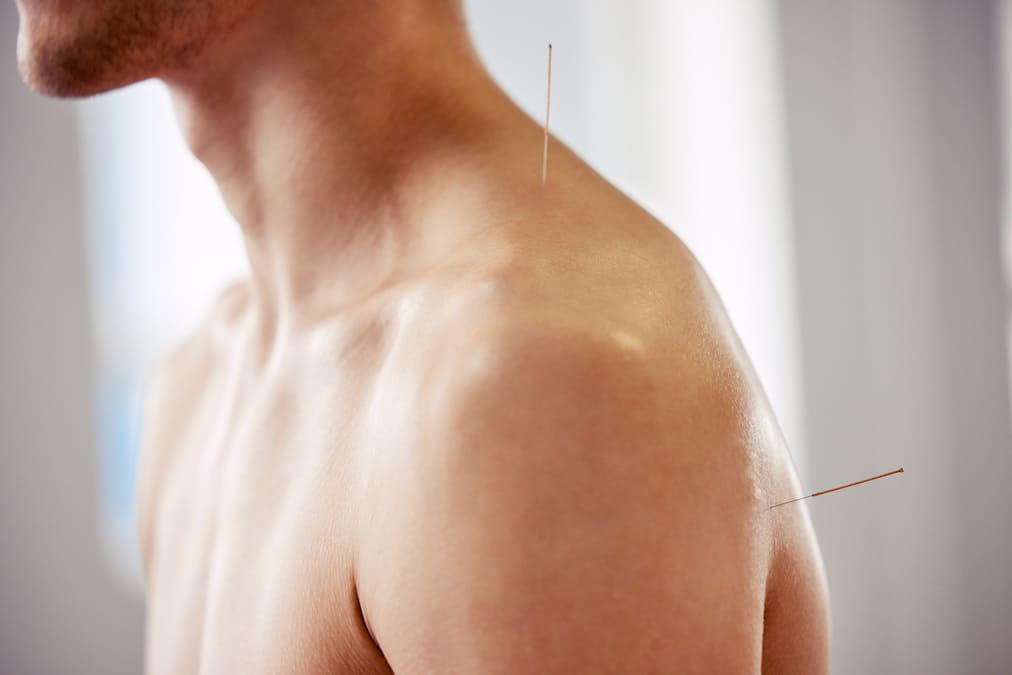
Acupuncture is frequently used as a complementary therapy within sports and musculoskeletal care. Rather than replacing conventional evaluation or treatment, it is often integrated into broader recovery and rehabilitation plans.
Supporting Pain Management
Research suggests acupuncture may influence pain perception through modulation of the nervous system. This has led to growing interest in acupuncture for sports injury support, particularly among individuals seeking non-medication-based options.
Reducing Inflammation and Tissue Stress
While inflammation plays a role in natural healing, persistent tissue stress can delay recovery. Acupuncture is often used with the goal of supporting local circulation and promoting a balanced tissue response during recovery.
Improving Mobility and Range of Motion
By addressing muscle tension and joint stiffness, acupuncture may support improved movement quality. This can be especially relevant during rehabilitation phases when restoring functional range of motion is a priority.
Addressing Overuse and Nerve-Related Pain
Some sports-related conditions involve nerve irritation or radiating discomfort, particularly in the lower back or legs. In these cases, individuals may explore options such as acupuncture for sciatica as part of a comprehensive care approach.
The Mental and Nervous System Component of Sports Recovery
Recovery from sports injuries is not purely physical. Training demands, performance pressure, and ongoing discomfort can place stress on the nervous system, potentially slowing healing or contributing to persistent pain.
Acupuncture is often discussed for its role in supporting nervous system regulation, relaxation, and stress modulation. Addressing these factors may be particularly relevant for athletes and active individuals managing high training loads or recurrent overuse pain.
An Integrative Approach to Sports Injuries
In clinical practice, acupuncture is commonly combined with other supportive strategies such as mobility work, therapeutic massage, rest planning, and activity modification. Services such as sports medicine acupuncture reflect this integrative model, emphasizing personalized care rather than standardized protocols.
This approach recognizes that recovery timelines and needs vary widely depending on injury type, activity level, and overall health status.
When to Consider Professional Guidance
Not all sports injuries are appropriate for self-management. Acute trauma, significant swelling, severe pain, or neurological symptoms should be evaluated by a medical professional. Acupuncture does not replace emergency care, orthopedic evaluation, or physical therapy when these are indicated.
Instead, it may be considered as part of a coordinated recovery plan once appropriate medical assessment has occurred.
A Thoughtful Path Toward Recovery and Resilience
Recovering from sports injuries or managing ongoing overuse pain often involves more than addressing symptoms alone. Understanding how your body responds to training, stress, and recovery can be an important step toward regaining comfort and confidence in movement.
At Sun Acupuncture, care is centered on listening to your experience and developing a personalized approach that aligns with your activity level and recovery goals. Many patients also ask whether acupuncture is covered by insurance or how acupuncture insurance coverage works. While coverage varies by plan, Sun Acupuncture accepts insurance as part of its services and can help guide patients through the verification process.
If you are curious about how acupuncture may fit into your overall approach to sports recovery, and whether insurance may apply, scheduling a consultation can be a gentle first step toward informed, balanced care.
References
National Safety Council.
Injury Facts: Sports and Recreational Injuries.
https://injuryfacts.nsc.org/home-and-community/safety-topics/sports-and-recreational-injuries/
Vickers, A. J., et al. (2018).
Acupuncture for chronic pain: Update of an individual patient data meta-analysis.
The Journal of Pain.