What Is Emotional Energy and How Does It Affect Your Body

Many people describe feeling emotionally “heavy,” mentally drained, tense, or overwhelmed. While emotional energy is not a formal medical diagnosis, it often reflects something very real: the way stress, anxiety, and unresolved tension can influence how the body feels and functions.

Emotional energy often describes the physical effects of stress, anxiety, and nervous system overload. When the body remains in a prolonged state of alertness, it may begin expressing that strain through fatigue, sleep disruption, digestive changes, muscle tension, and difficulty feeling balanced.

From an integrative health perspective, emotional and physical well-being are deeply connected. Understanding that relationship can help people recognize symptoms earlier and explore supportive approaches such as acupuncture and Chinese herbal medicine.

What Does Emotional Energy Really Mean?

For some people, emotional energy refers to motivation, mood, or resilience. For others, it describes feeling depleted after prolonged stress or emotionally demanding situations.

In practical terms, emotional energy can be understood as the body’s response to internal and external pressures. High stress levels may affect hormones, breathing patterns, muscle tone, digestion, and focus. Over time, this can create a sense of being “off,” even when no single symptom explains it clearly.

Research on the mind-body connection continues to show that emotional states can influence physical health in meaningful ways. Emotional stress is not imaginary—it can have measurable effects throughout the body.

How Emotions Can Affect the Body

When emotional stress builds, the nervous system often responds before the mind fully processes it. That is why many people feel symptoms physically first.

Stress and Muscle Tension

A common response to stress is tightening in the jaw, neck, shoulders, or upper back. Some people carry tension without realizing it until discomfort becomes persistent.

Anxiety and the Nervous System

Periods of worry or anxiety may activate the body’s fight-or-flight response. This can contribute to racing thoughts, shallow breathing, elevated heart rate, or feeling constantly “on edge.” Learning about nervous system regulation can help explain why calming practices matter.

Emotional Stress and Digestion

The gut and brain communicate closely. Stress may contribute to bloating, appetite changes, nausea, or irregular digestion. This relationship is often described through the gut-brain connection.

Mood and Sleep Disruption

When the nervous system remains overstimulated, sleep quality often declines. Difficulty falling asleep, waking during the night, or restless sleep may all be linked to emotional overload.

Low Energy and Burnout

Long-term emotional strain can leave people feeling exhausted, unmotivated, mentally foggy, or disconnected from their usual vitality.


Signs Your Body May Be Carrying Emotional Stress

Sometimes the body signals emotional overload before a person consciously recognizes it.

Common signs may include:

  • Frequent headaches
  • Tight jaw or shoulder tension
  • Shallow breathing
  • Trouble sleeping
  • Digestive discomfort
  • Irritability
  • Low motivation
  • Persistent fatigue
  • Difficulty focusing
  • Feeling emotionally flat or overstimulated

Understanding these patterns can be the first step toward restoring balance.

specialist in Chinese herbs and acupuncture

How Acupuncture May Support Emotional Balance

Acupuncture has long been used within traditional East Asian medicine to support whole-body balance. Today, many people seek it as part of an integrative wellness plan for stress-related symptoms.

Modern research continues exploring evidence on acupuncture for stress, including how treatment may support relaxation, improve sleep quality, and help regulate stress responses.

Many patients describe feeling calmer, lighter, or more settled after sessions. Others notice reduced tension in areas where stress tends to accumulate, such as the jaw, shoulders, or neck.

Because each person experiences stress differently, treatment is often individualized based on symptoms, lifestyle, and goals.

How Chinese Herbal Medicine Is Traditionally Used

Chinese herbal medicine has historically been used to support internal balance, resilience, and recovery. Rather than offering a one-size-fits-all solution, formulas are traditionally selected based on patterns observed in the individual.

Some people explore Chinese herbal medicine services for support related to:

  • Stress-related tension
  • Sleep disruption
  • Feeling mentally depleted
  • Low resilience during demanding periods
  • Recovery after prolonged stress

For individuals specifically navigating restlessness or sleep concerns, Chinese herbs for sleep and anxiety may be part of a personalized care discussion.

When used appropriately under professional guidance, herbs can complement lifestyle strategies and acupuncture care.

Daily Habits That Help Restore Emotional Energy

Treatment can be helpful, but daily habits also matter. Small consistent actions often create meaningful change over time.

Helpful practices may include:

  • Morning sunlight exposure
  • Gentle movement or walking
  • Deep breathing exercises
  • Limiting overstimulation before bed
  • Hydration and regular meals
  • Reducing multitasking overload
  • Creating quiet recovery time
  • Consistent sleep routines

These habits can support resilience and improve the body’s ability to adapt to stress.

Emotional Energy Release Technique

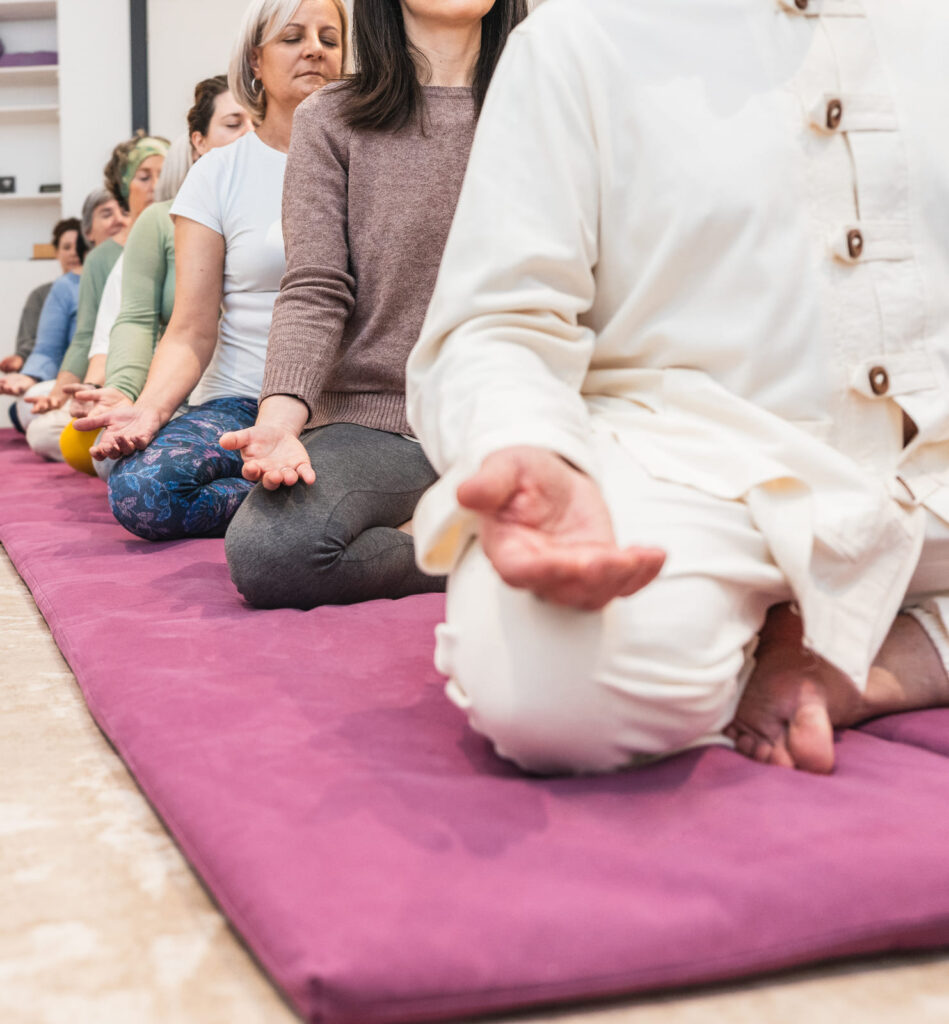
Dr Josh teaches a free class to give you the tools to neutralize emotional charges when they arise. Emotional Energy Clearing is a unique, simple, powerful, easy-to-learn technique that shows you how to uncover your natural ability to let go of any painful or unwanted feeling in the moment. 

You are your own doctor- you can use it anytime and anyplace to heal any area of your life. It is simple- takes only a few minutes- and there is an immediate sense of relief and space that result from each session.  

Over time, there are even greater benefits. 

Benefits 

  • More at ease, relaxed
  • Better sleep
  • Better functionality
  • Improved priorities
  • Better relationships
  • Better health, particularly for stress-related and psycho-emotional issues
  • Improved religious/spiritual practice
  • Deeper connection to all-that-is!


When to Seek Professional Support

If anxiety, chronic stress, insomnia, fatigue, or physical tension are affecting your quality of life, it may be time to seek support.

Persistent symptoms deserve thoughtful attention—especially when they begin affecting sleep, work, relationships, or overall well-being.

An integrative approach may include medical care, mental health support, lifestyle changes, and complementary therapies. For some individuals, acupuncture and herbal care can be a valuable part of that broader plan.

At Sun Acupuncture, personalized care is designed to support balance, recovery, and whole-person wellness in a calm, professional setting.


Frequently Asked Questions

Is emotional energy a real medical condition?

Emotional energy is not a formal diagnosis, but many people use the term to describe the real physical effects of stress, tension, and emotional fatigue.

Can stress really cause physical symptoms?

Yes. Stress can influence sleep, digestion, muscle tension, energy levels, and nervous system activity.

How does acupuncture help with stress?

Many people use acupuncture to support relaxation, reduce tension, and promote a more balanced stress response.

Can herbs help with sleep and anxiety?

Some people explore professionally guided herbal care as part of a broader wellness plan for sleep and stress support.

What is the best first step if I feel emotionally drained?

Start with foundational habits such as sleep, hydration, movement, and stress reduction. If symptoms persist, professional support may help.