
Can Chinese Herbs Help with Sleep Problems and Anxiety?
Sleep difficulties and anxiety often reinforce each other. Persistent stress can interfere with the ability to fall asleep or stay asleep, while poor sleep can heighten emotional reactivity and mental fatigue. From the perspective of Traditional Chinese Medicine (TCM), these concerns are commonly viewed as interconnected patterns rather than isolated conditions.
Interest in Chinese herbs for insomnia and anxiety has grown as more people look for integrative approaches to sleep support. Rather than focusing solely on suppressing symptoms, TCM aims to understand why sleep is disrupted and how emotional balance, internal rhythms, and nervous system regulation may be contributing factors.
At holistic clinics, sleep concerns are commonly approached through a combination of acupuncture, lifestyle guidance, and, when appropriate, Chinese herbal medicine, all tailored to the individual rather than applied as a universal solution.
How Traditional Chinese Medicine Approaches Sleep Problems and Anxiety
In TCM, sleep is closely tied to the balance of Yin and Yang, the smooth circulation of Qi, and the nourishment of organ systems associated with emotional regulation. Anxiety, excessive worry, or prolonged stress may disrupt this balance, leading to what is often described as “restless” or non-restorative sleep.
Clinical research suggests that traditional Chinese therapies, including acupuncture and herbal medicine, may support sleep quality and emotional regulation in certain populations.
Reviews and meta-analyses have observed that acupuncture and related therapies can be associated with improvements in sleep disturbance, anxiety, and mood, particularly when treatment is individualized. Compared to some conventional sleep medications, TCM-based approaches have also been noted for having fewer reported adverse effects in specific studies.
That said, research on herbal medicine presents challenges. Herbal formulas often contain multiple ingredients working together, making it difficult to isolate single active compounds.
For this reason, Chinese medicine emphasizes pattern-based diagnosis and personalization rather than standardized protocols. This individualized framework is central to how Chinese medicine for insomnia and anxiety is traditionally practiced.
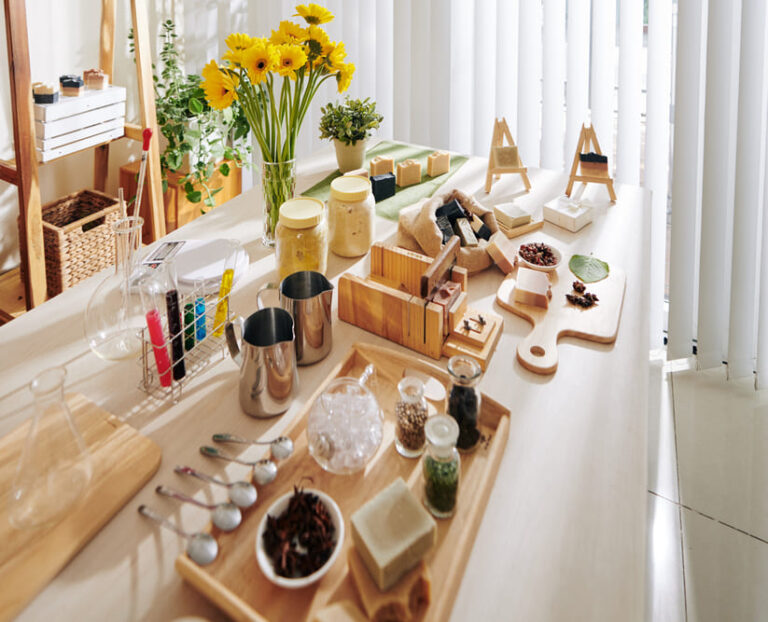
Common Chinese Herbs Used to Support Sleep and Emotional Balance
When people search for Chinese medicine for sleep or Chinese medicine for sleeping problems, they often expect a single herb or remedy. In reality, Chinese herbal medicine does not rely on one universal solution. Herbs are selected based on how sleep issues present—whether the primary concern is anxiety, mental overactivity, frequent waking, or difficulty maintaining sleep.
Below are several herbs commonly discussed in educational contexts related to sleep and emotional balance. These examples are not intended for self-prescription and are typically used as part of customized formulas.
Suan Zao Ren (Ziziphus Seed)
Suan Zao Ren is frequently referenced in discussions around insomnia characterized by restlessness, irritability, or excessive dreaming. From a TCM perspective, it is associated with calming the mind and supporting deeper, more settled sleep when emotional agitation is present.
Mu Li (Oyster Shell)
Mu Li is traditionally used when sleep disturbances are accompanied by a racing mind or internal tension. It is often described as having a grounding quality and is commonly paired with other substances in formulas designed to stabilize emotional fluctuations that interfere with sleep.
Long Gu (Dragon Bone)
Long Gu is commonly discussed in more pronounced cases of restlessness or anxiety- related insomnia. Traditional descriptions associate it with calming the nervous system and promoting emotional steadiness, particularly when symptoms include palpitations or heightened mental activity.
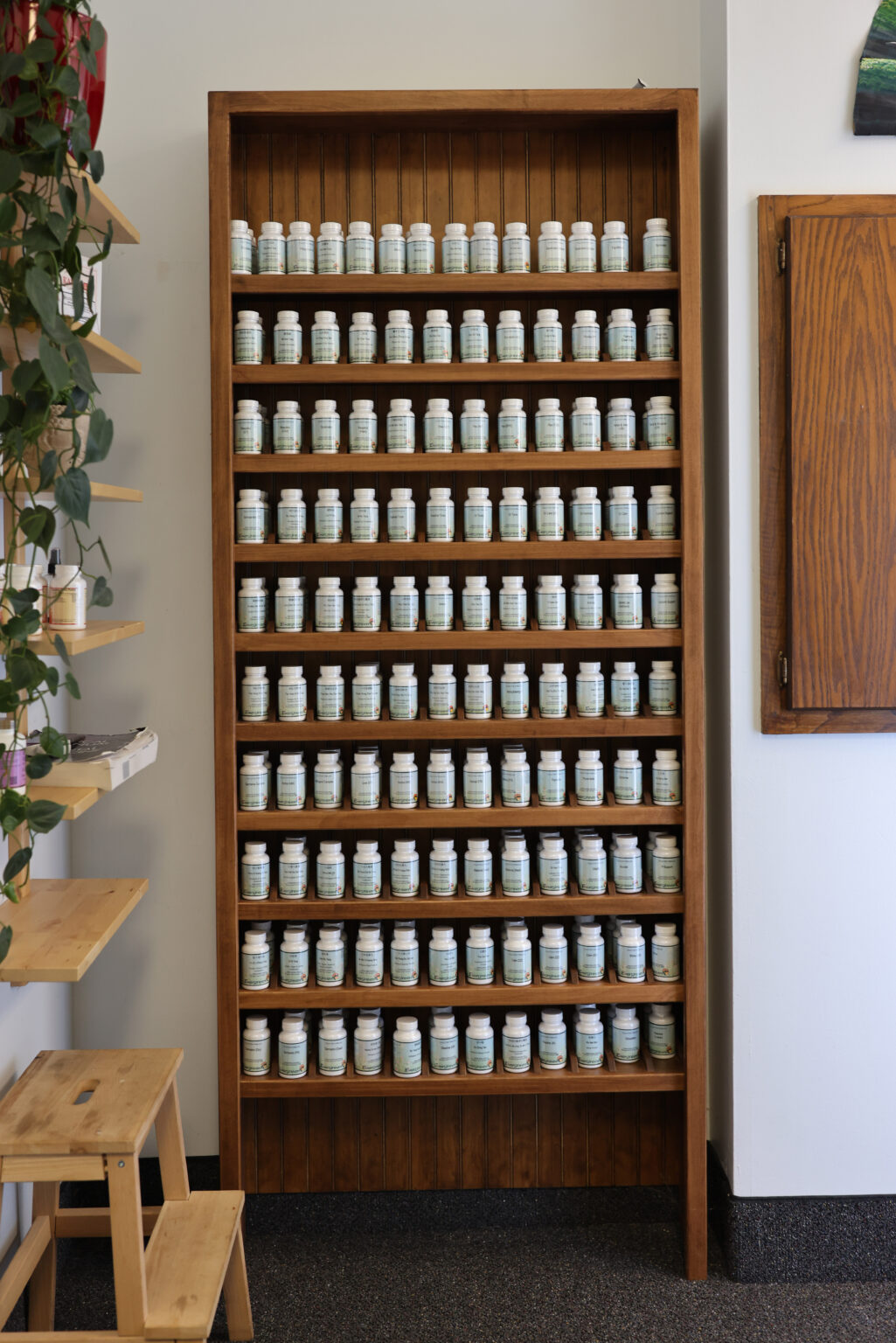
Wu Wei Zi (Schisandra Fruit)
Wu Wei Zi is often mentioned in the context of sleep disturbances linked to stress, hormonal transitions, or difficulty staying asleep. In traditional use, it is associated with supporting balance and resilience when sleep is disrupted by emotional or internal strain.
Dan Shen
Dan Shen is traditionally referenced when sleep problems are accompanied by tension or emotional unease. It is often included in formulas aimed at promoting calm while supporting overall internal balance, rather than being used as a standalone sleep aid.

Integrating Herbal Medicine with Acupuncture and Therapeutic Massage
In practice, Chinese herbal medicine is rarely used in isolation. It is commonly combined with acupuncture and supportive therapies to address both physical and emotional contributors to poor sleep. Treatments such as Chinese medicine massage may be incorporated alongside acupuncture and herbs to promote relaxation, circulation, and
nervous system regulation.
This integrative approach reflects how TCM sleep support is traditionally structured: addressing stress, emotional balance, and sleep quality together rather than treating
insomnia as a single, disconnected issue.
A Personalized Approach to Insomnia in Chinese Medicine
Search terms such as insomnia Chinese medicine or Chinese medicine insomnia often suggest a desire for clear answers. However, one of the core principles of TCM is that sleep disturbances can arise from different underlying patterns, even when symptoms appear similar.
For this reason, Chinese medicine emphasizes individualized assessment. Herbal formulas, acupuncture point selection, and supportive therapies are adjusted based on the person’s overall presentation, lifestyle, and health history. This personalized framework is what allows Chinese herbs for anxiety and insomnia to be used in a way that supports long-term balance rather than short-term symptom suppression.
Considering a Chinese Medicine
Approach to Sleep Support Sleep problems and anxiety can present in different ways, and what works for one person may not be appropriate for another. In Traditional Chinese Medicine, care is guided by individualized assessment rather than standardized solutions, allowing treatment to be tailored to each person’s unique sleep patterns, stress levels, and overall health.
At Sun Acupuncture, sleep concerns are approached through a thoughtful combination of acupuncture, Chinese herbal medicine, and supportive therapies, with the goal of promoting balance and overall well-being. Patients frequently ask if insurance covers acupuncture or whether their care may be acupuncture covered by insurance. Coverage can vary depending on the plan, but Sun Acupuncture accepts insurance and offers support with verification so patients can better understand their options.
Learning more about both your care approach and insurance benefits can be an important first step toward better sleep and long-term balance.
Next Steps for Your Wellness Journey
Improving your sleep and lowering anxiety isn’t just about a quick fix; it’s about restoring your body’s natural rhythm. Whether it’s through targeted Chinese herbs or regular acupuncture sessions, the goal is long-term relief rather than temporary suppression.
At Sun Acupuncture, we’re here to help you navigate both your path to better rest and the financial logistics of your care. By addressing the root causes of restlessness, you can finally trade counting sheep for genuine, restorative sleep. Let’s build a personalized plan that balances your mind, body, and budget.
References
Wang, Y., et al. (2022).
The effects of traditional Chinese therapy on sleep disorders: A systematic review
and meta-analysis.
Frontiers in Psychiatry, 13, 958929.
https://pmc.ncbi.nlm.nih.gov/articles/PMC9589290/
Karadag, E., Samancioglu, S., Ozden, D., & Bakir, E. (2017).
Effects of aromatherapy on sleep quality and anxiety of patients.
Nursing in Critical Care, 22(2), 105–112.
https://doi.org/10.1111/nicc.12198